
Commercial Storm Damage in Fountain City, IN
Commercial water intrusion in Fountain City handled start to finish. Dry in, extraction, structural drying, ceiling and finish rebuild.
Fountain City Water Restoration provides Commercial Storm Damage in Fountain City, IN. 24/7 emergency response with IICRC certified crews, and we work with your insurance carrier on approved claims. Call (812) 515-1567 for immediate dispatch.
- Service: Commercial Storm Damage for Fountain City homeowners
- Service area: Fountain City, IN and surrounding areas
- Response time: Emergency water calls in Fountain City get crews rolling, not callbacks
- Licensed and insured (License #RC21100059)
- Serving Fountain City, IN since 2018
Commercial Storm Damage Cleanup in Fountain City
After a storm hits a commercial building in Fountain City, we'll cover the opening and then dry out the space underneath it.
Storms Here
Spring and summer are severe thunderstorm season here. NWS Indianapolis posts summaries of past storms, which helps when your carrier asks for a date.
We respond to storm calls from businesses anywhere in Fountain City, including those around the Main Street commercial corridor. We also handle commercial storm damage in Hagerstown, Centerville, Richmond and Economy.
Commercial Storm Damage for Fountain City Businesses
A warehouse slab that took on a few inches of storm water looks dry by the next afternoon and isn't. Concrete holds moisture long after the surface sheds it, and whatever's stored on that slab absorbs what the concrete releases. Fountain City Water Restoration brings desiccant drying capacity to commercial losses in Fountain City, IN, measures the slab with the right instrument, and gives you readings you can show a tenant.
An occupied building can keep running through a storm loss when the containment is built at the right line. Fountain City Water Restoration sets barriers at a demountable partition or a corridor wall, so one wet bay doesn't close a whole floor in your Fountain City building. Negative air with HEPA filtration runs where materials are coming out, and egress paths stay clear.
Debris leaves an occupied building along a route agreed with the property manager. Wet insulation and tile are bagged where they come out, and the loads leave through a service door or dock at hours the tenants won't notice. Sheeting covers the floor along the route. Fountain City Water Restoration plans that route for your Fountain City building from the first walk.
Photograph the damage before anything is moved, with wide views of each room and close ups of the water line and the wet stock with its labels showing. Use your phone's timestamp and keep the original files. If protecting inventory means moving it first, take the photos of where it sat. Fountain City Water Restoration adds dated photos of its own when the crew reaches your Fountain City property.
If water's coming into your Fountain City building right now, call Fountain City Water Restoration. A crew dispatches within two hours, day or night, to commercial properties across Fountain City, IN. The dry in goes over the breach, extraction starts underneath it, and the readings that support your claim start the same visit.
Signs You Need Commercial Storm Damage Restoration
If you notice any of these in your Fountain City building, schedule a free inspection before the issue worsens.
Receptacles on an exterior wall that trip the breaker or show beads of moisture
Silt or sediment left as a film on the receiving area floor once the water drains off
Grout between floor tiles darkening in a pattern that spreads a little more each day
Stains that start at the top floor and reappear on the same wall two floors down
Light fixtures out in one zone of the ceiling grid after a storm, with the breaker holding
Brown water stains on the ceiling around a rooftop unit's duct drop after each rain
A musty, earthy smell at a return air plenum or coming out of a corridor diffuser
Insulation batts above the ceiling grid that are compressed, matted, or dripping at the edges
Bubbles, blisters, or soft spots underfoot when you walk a low slope membrane
Raised access floor panels that feel damp, with water showing beneath them in a telecom room
How Fountain City Water Restoration Handles Commercial Storm Damage
We follow these steps in order on every Fountain City job.
First Call Intake
On the call, the team gathers where the water is entering, which areas are occupied, who holds keys and alarm codes, and who can authorize work, so the crew shows up at your Fountain City property with the right equipment and the access it needs.
Extraction and Debris Removal
Standing water comes off floors with portable and truck mounted units. Saturated lay in tile and wet batt insulation get bagged and hauled out. Water held in the plenum is released through controlled openings so it stops dripping onto tenant equipment.
Slab and Dock Floor Checks
Concrete at a dock or in a warehouse holds water well after the surface dries, so the crew probes the slab at marked spots and keeps dehumidification and air movement running until the readings level off.
Dry Standard Verified
Affected materials have to match the dry standard measured in an unaffected part of the same building before equipment comes out. Final readings, photos and equipment run hours go in the file, and a punch walk sets what's left to rebuild.
Closeout File and Walkthrough
A walkthrough with the property manager closes the job, and the crew hands over one organized file with the photos, the readings, the equipment run hours and the scope. Ownership and the carrier's reviewer can read it start to finish.
Commercial Storm Damage in Fountain City
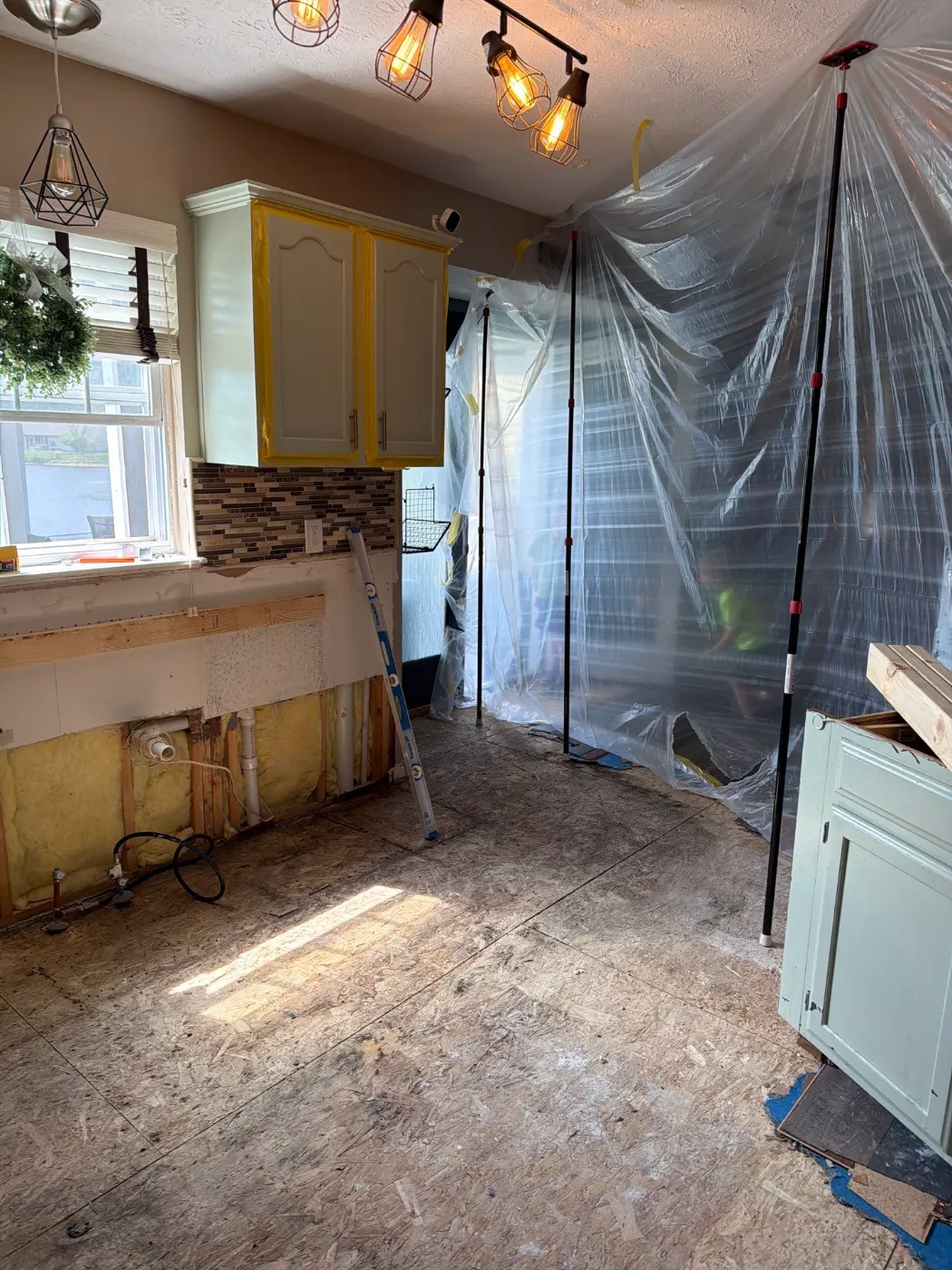
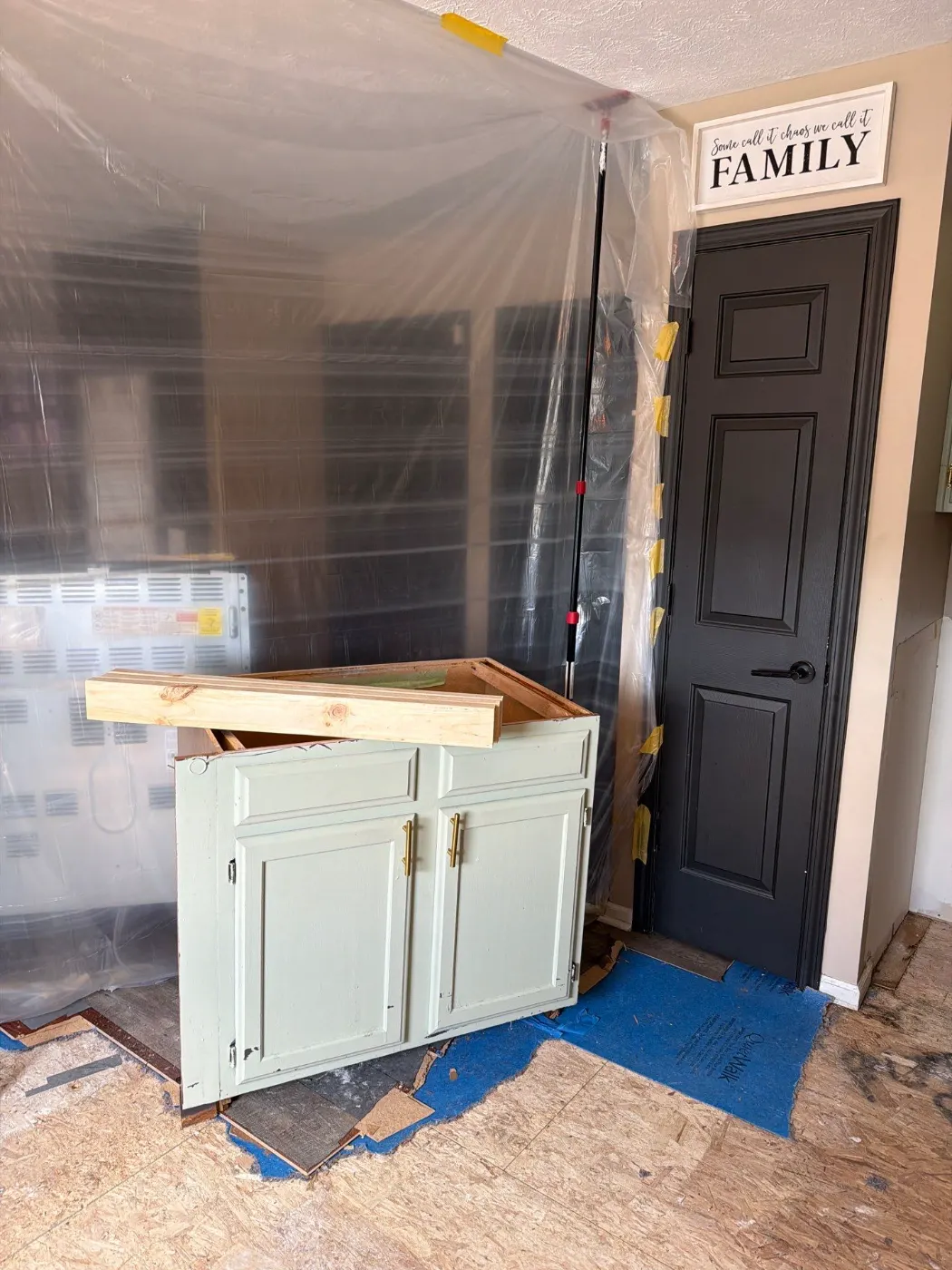
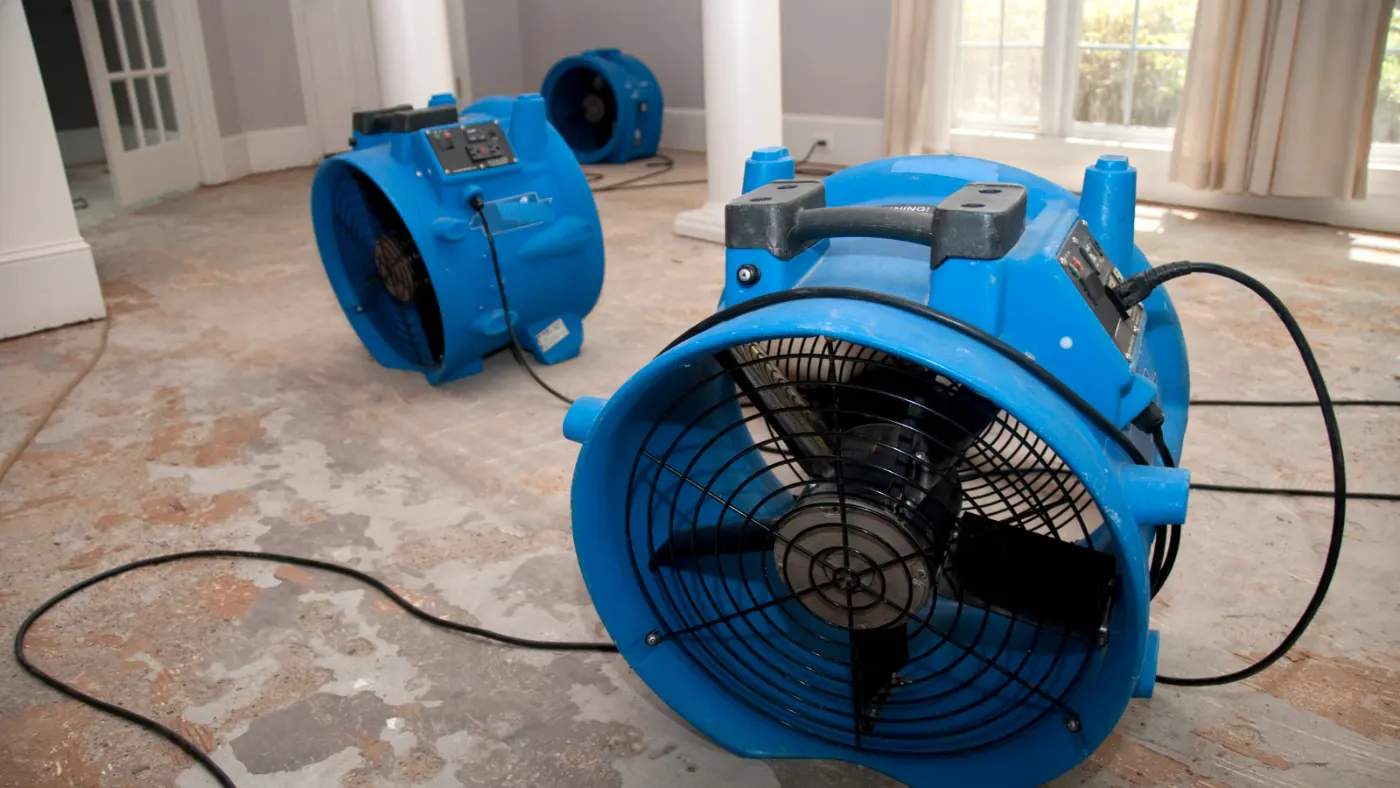
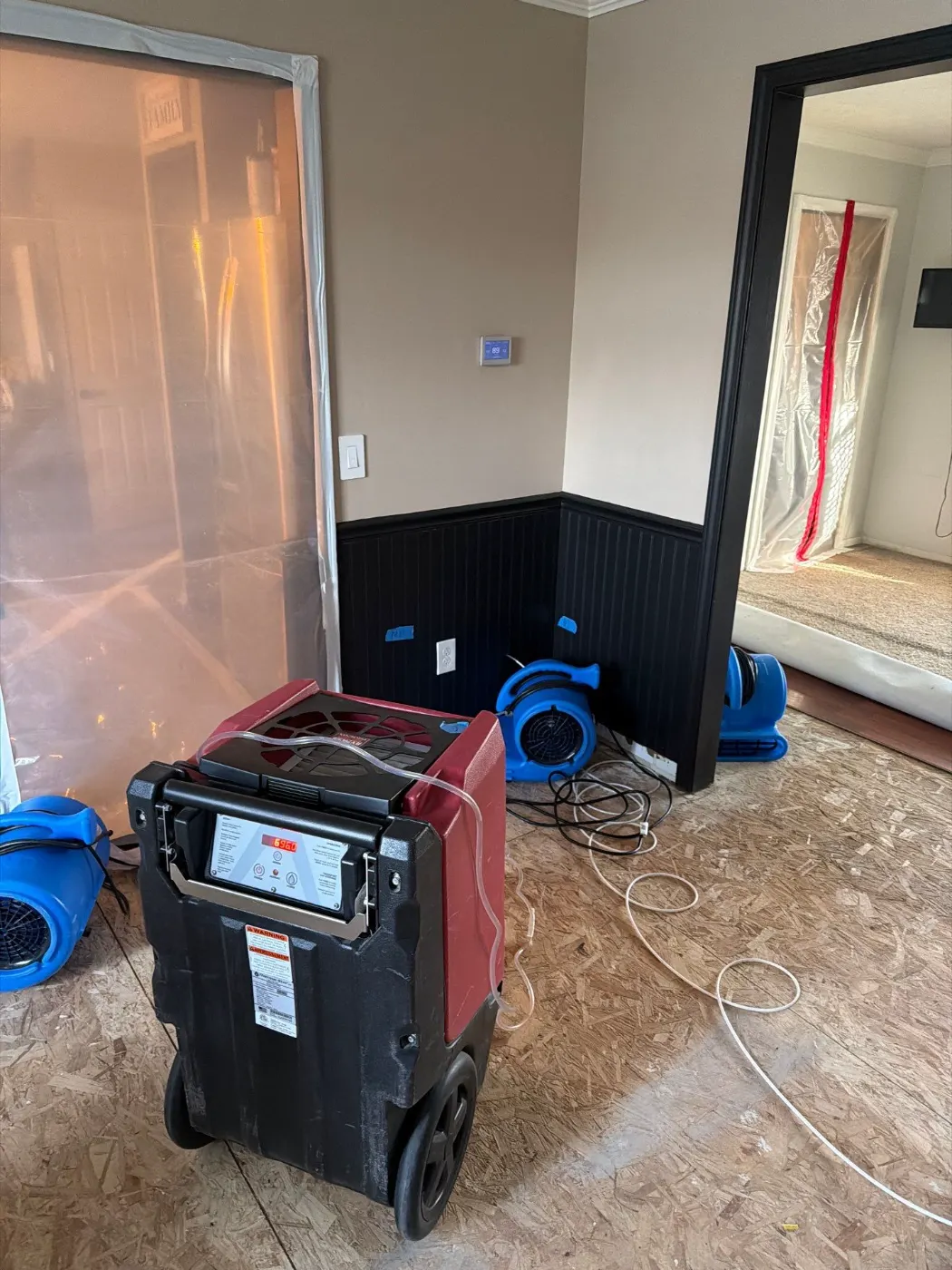
Photographs from real commercial storm damage jobs completed by our crew in Fountain City and surrounding areas.
Commercial Storm Damage FAQ
Questions Fountain City property managers ask us about commercial storm damage restoration.
Guidance and Standards for Commercial Storm Damage
- The National Weather Service office in Indianapolis posts summaries of recent central Indiana storm and flood events. NWS Indianapolis Event Summaries
- The ANSI/IICRC S500 is the published standard for professional water damage restoration. The current edition is the Fifth Edition, 2021. IICRC S500 Standard
Fountain City Neighborhoods We Serve
We take commercial storm damage calls in every part of Fountain City. Pick your neighborhood for local details.
Other Restoration Services in Fountain City
Fountain City Water Restoration handles the full scope of restoration work. Explore our other services below.
Water Damage Restoration in Fountain City
24/7 emergency response. IICRC certified water restoration from extraction to full dry out.
Learn more →Basement Flooding in Fountain City
Basement water emergencies handled fast. Extraction, drying, mold prevention.
Learn more →Sewage Cleanup in Fountain City
Category 3 biohazard cleanup. Full containment, decontamination, structural restoration.
Learn more →Request Commercial Storm Damage Restoration
Reach Us Directly
Our team is available 24/7 for emergencies and ready to schedule inspections during business hours.
Need Immediate Help?
For active water or mold emergencies, call us directly. We are available 24/7.