
Commercial Flood Damage Cleanup in Fountain City, IN
Waterline photos and daily readings for Fountain City flood losses, organized for the owner and the flood policy adjuster.
Commercial Flood Damage Cleanup in Fountain City, IN starts with one call to Fountain City Water Restoration: live 24/7 dispatch, IICRC certified response, and honest written scopes before work begins. Call (812) 515-1567.
- Service: Commercial Flood Damage Cleanup for Fountain City homeowners
- Service area: Fountain City, IN and surrounding areas
- Response time: Emergency water calls in Fountain City get crews rolling, not callbacks
- Licensed and insured (License #RC21100059)
- Serving Fountain City, IN since 2018
Commercial Flood Cleanup in Fountain City
When floodwater reaches a commercial building in Fountain City, we'll pump it out and dry the structure section by section.
Flood Exposure Here
Flood risk here runs highest for sites close to the Whitewater River. Your building's own flood exposure gets mapped when we walk the site with your facilities contact.
Our flood crews work commercial sites throughout Fountain City, including the blocks around the Main Street commercial corridor. We also handle commercial flood cleanup in Williamsburg, Cambridge City, Hagerstown and Centerville.
Commercial Flood Damage Cleanup for Fountain City Businesses
The water drops back by afternoon and the street dries, but the building stays wet. Water sits in the slab and in the base of block walls, and it keeps climbing into drywall by wicking. Fountain City Water Restoration dries commercial buildings in Fountain City after floodwater recedes, working the hidden pockets with instruments until the readings match dry reference areas.
Scale changes the math on a commercial flood. Fountain City Water Restoration sizes dehumidification from the measured cubic volume of the wet space and reads the slab from inside the concrete with in situ probes, so the drying plan for your Fountain City building has numbers under it. Equipment counts get rechecked against the daily readings, and the changes go in the log.
Work gets scheduled around your operation where the drying math allows it. Pumping and extraction have to happen immediately, but demolition, pack out, and loud phases can often run after hours or overnight while the building is empty. Equipment keeps running around the clock either way, because dehumidification only works when it stays on, and the crew checks readings on every visit.
Pack out carries documentation requirements of its own. Every item that leaves the building is inventoried by description, quantity, condition, and location, photographed, and assigned to a numbered lot in climate controlled storage. That inventory is what supports the contents portion of the claim, and it's also what gets reconciled when contents come back. Without it, a carrier reviewing a large contents loss has nothing to measure the number against.
A commercial flood loss is a documentation problem and an occupancy problem at the same time. Fountain City Water Restoration takes the documentation off your desk so your attention can go to the occupancy side. Crews dispatch to Fountain City, IN, within two hours, pump and extract at commercial scale, and document every phase in the format your carrier reviews. Call the dispatcher and a crew starts loading out for your building.
Signs You Need Commercial Flood Damage Cleanup
If you notice any of these in your Fountain City building, schedule a free inspection before the issue worsens.
Standing water visible across more than one bay or section of a warehouse or retail floor
Buckled or crowned laminate and engineered flooring in a break room, lobby, or office suite
Condensation forming on interior metal doors and glass partitions that stayed clear before the loss
Doors that stick or swell at the bottom edge after water reached the frames
Mechanical room under water, with floodwater around the boiler or the air handler
Swollen particleboard casework or a reception desk with a soft base after the water dropped
Water sitting in the loading dock well because the dock drain can't keep up
Pallet bottoms dark and soft, with cardboard cases on the lowest layer collapsing under weight
An expansion joint or control joint in the slab weeping water or staying dark for days
VCT or sheet vinyl lifting at the seams, with adhesive bleeding through or going soft underfoot
How Fountain City Water Restoration Handles Commercial Flood Damage Cleanup
We follow these steps in order on every Fountain City job.
Waterline and Condition Photos
Before anything moves, the crew photographs the building as the water left it. Waterline marks get measured at several points in each room, with depths and heights logged beside the photos.
Source and Contamination Check
The crew records where the water came from and what it crossed, and photographs the entry point. Floodwater and sewer backups get containment with HEPA filtered negative air before anything else, and every load of soaked material that leaves gets documented.
Removing Soaked Materials
Porous materials soaked by floodwater, such as carpet and drywall, come out to the height the readings call for and get bagged where they fall. Each area is photographed before and after, and quantities go in the log.
Disposal Records
Every load that leaves the building gets a log entry with the date and the type of material. The disposal receipt and a photo of the load go in the same file, so the removal record matches what was hauled away.
Slab and Concrete Drying
Concrete and masonry hold bound water long after the surface feels dry. In situ relative humidity probes and surface readings taken from the same marked locations daily show what the slab is doing, which is what decides when flooring can go back down over it.
Commercial Flood Damage Cleanup in Fountain City
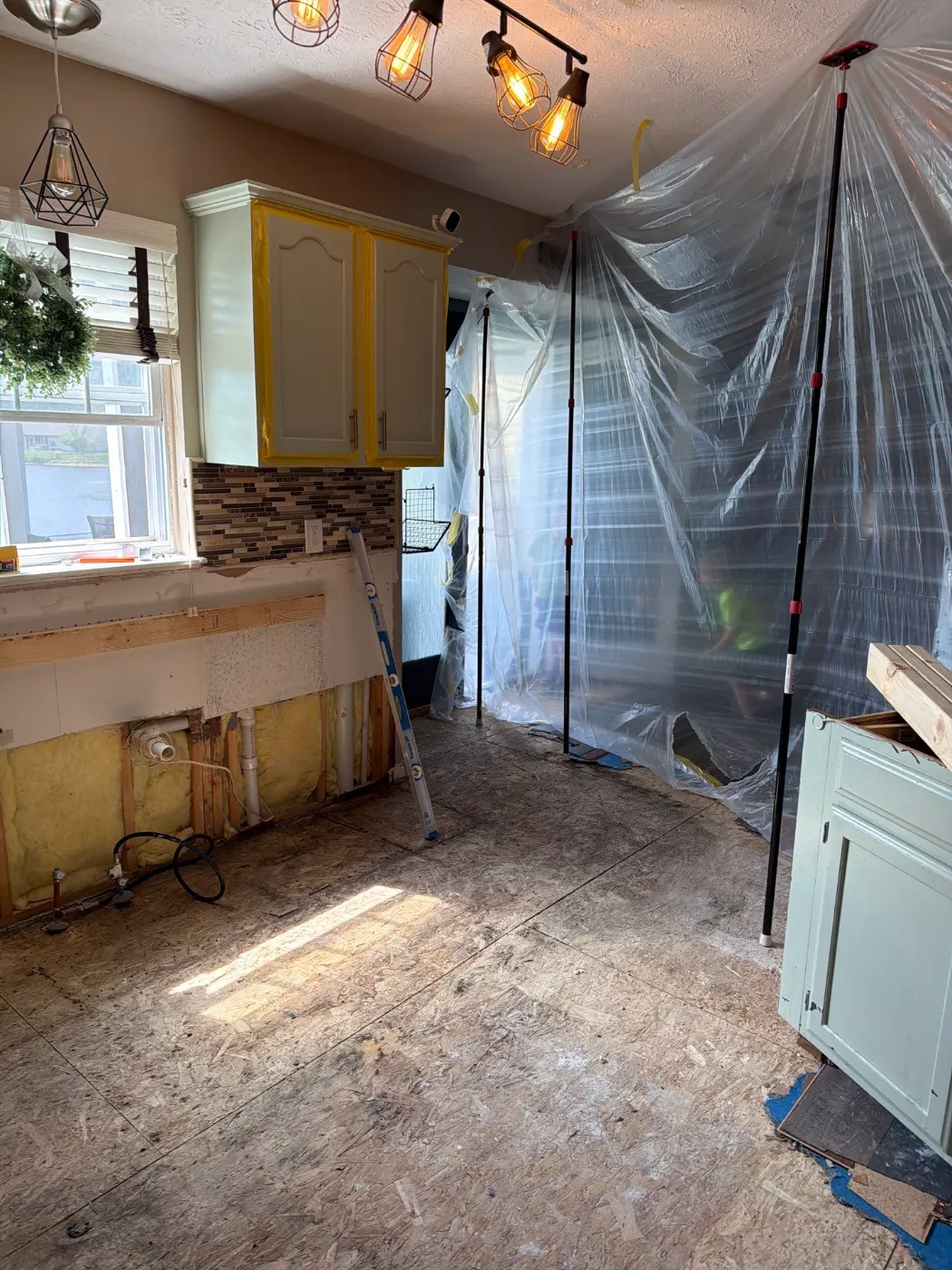
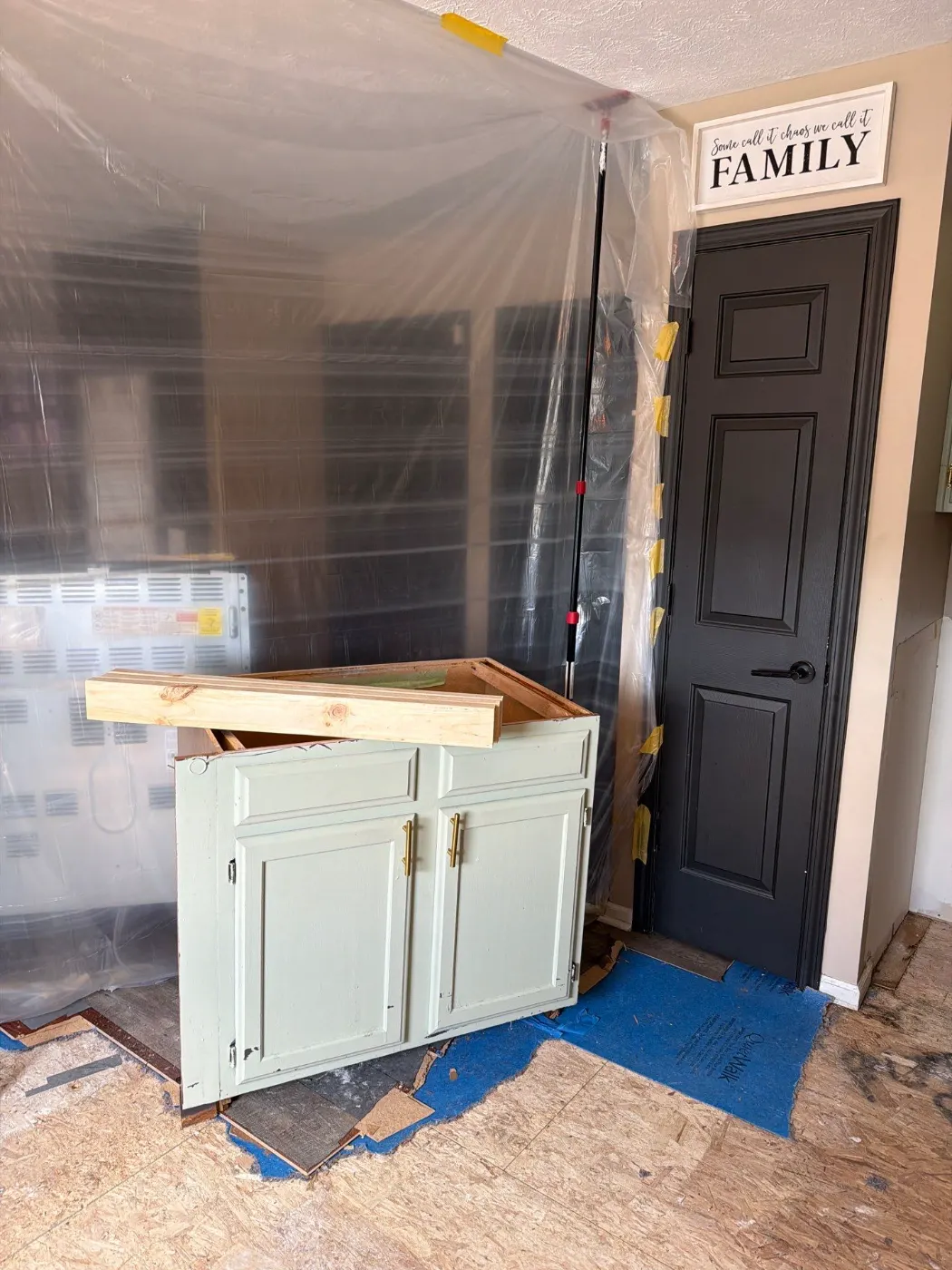
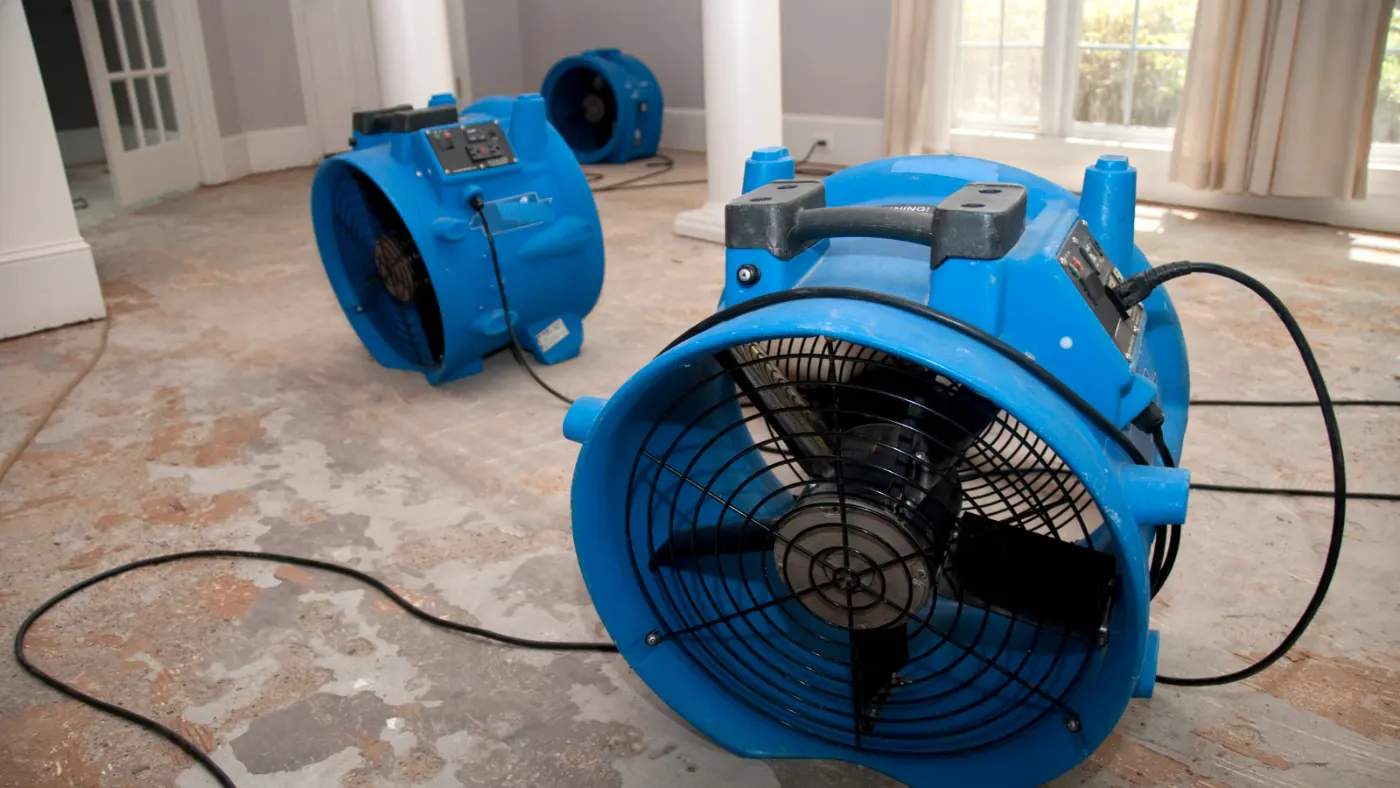
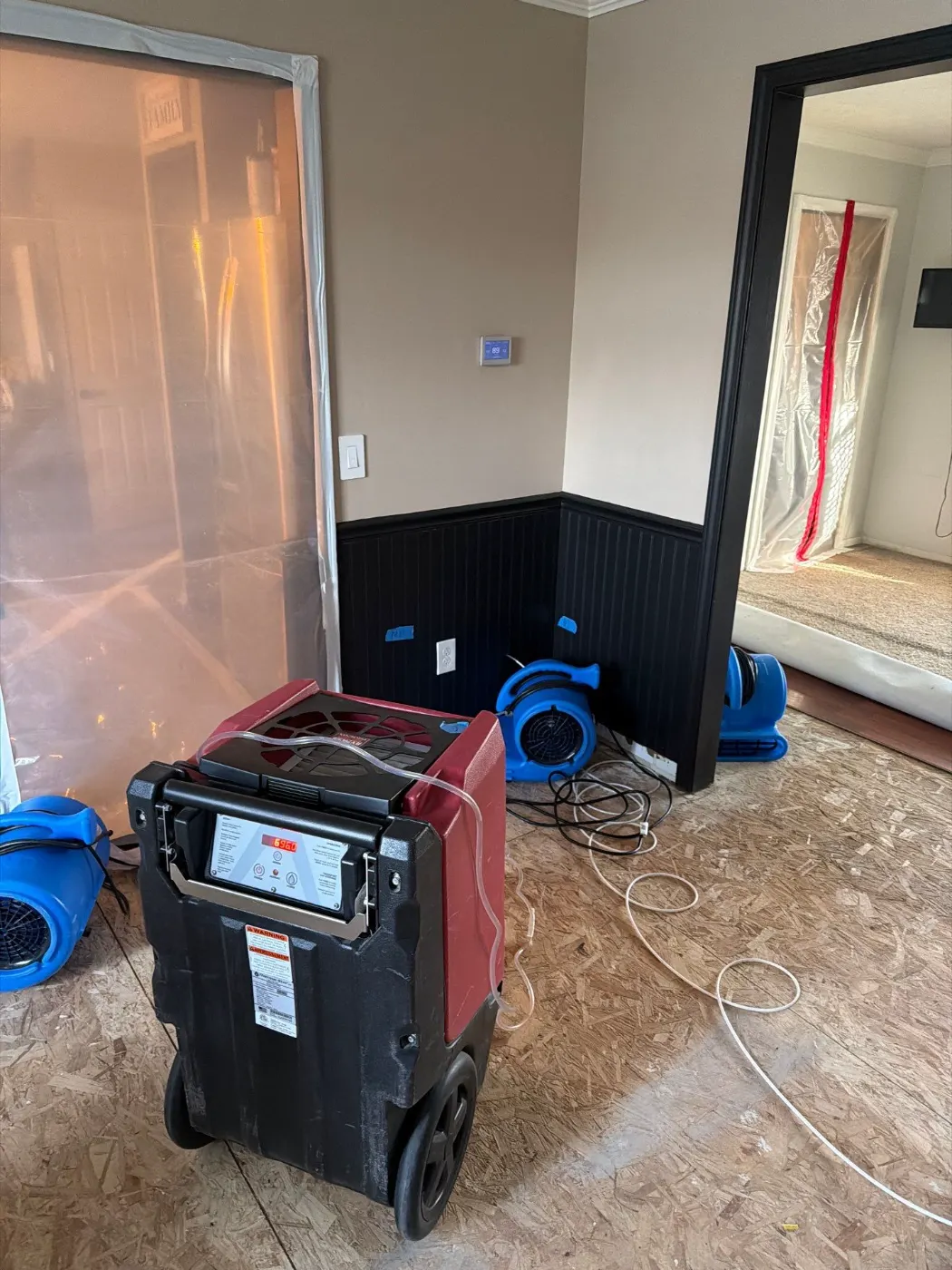
Photographs from real commercial flood damage cleanup jobs completed by our crew in Fountain City and surrounding areas.
Commercial Flood Damage Cleanup FAQ
Questions Fountain City property managers ask us about commercial flood damage cleanup.
Guidance and Standards for Commercial Flood Damage Cleanup
- The ANSI/IICRC S500 is the published standard for professional water damage restoration. The current edition is the Fifth Edition, 2021. IICRC S500 Standard
- EPA advises drying water damaged areas and items within 24 to 48 hours to prevent mold growth. EPA: A Brief Guide to Mold, Moisture and Your Home
Fountain City Neighborhoods We Serve
We take commercial flood damage cleanup calls in every part of Fountain City. Pick your neighborhood for local details.
Other Restoration Services in Fountain City
Fountain City Water Restoration handles the full scope of restoration work. Explore our other services below.
Water Damage Restoration in Fountain City
24/7 emergency response. IICRC certified water restoration from extraction to full dry out.
Learn more →Basement Flooding in Fountain City
Basement water emergencies handled fast. Extraction, drying, mold prevention.
Learn more →Sewage Cleanup in Fountain City
Category 3 biohazard cleanup. Full containment, decontamination, structural restoration.
Learn more →Request Commercial Flood Damage Cleanup
Reach Us Directly
Our team is available 24/7 for emergencies and ready to schedule inspections during business hours.
Need Immediate Help?
For active water or mold emergencies, call us directly. We are available 24/7.